


Learn the difference between matte and gloss lamination for custom packaging, including appearance, durability, fingerprints, cost, and best use cases.
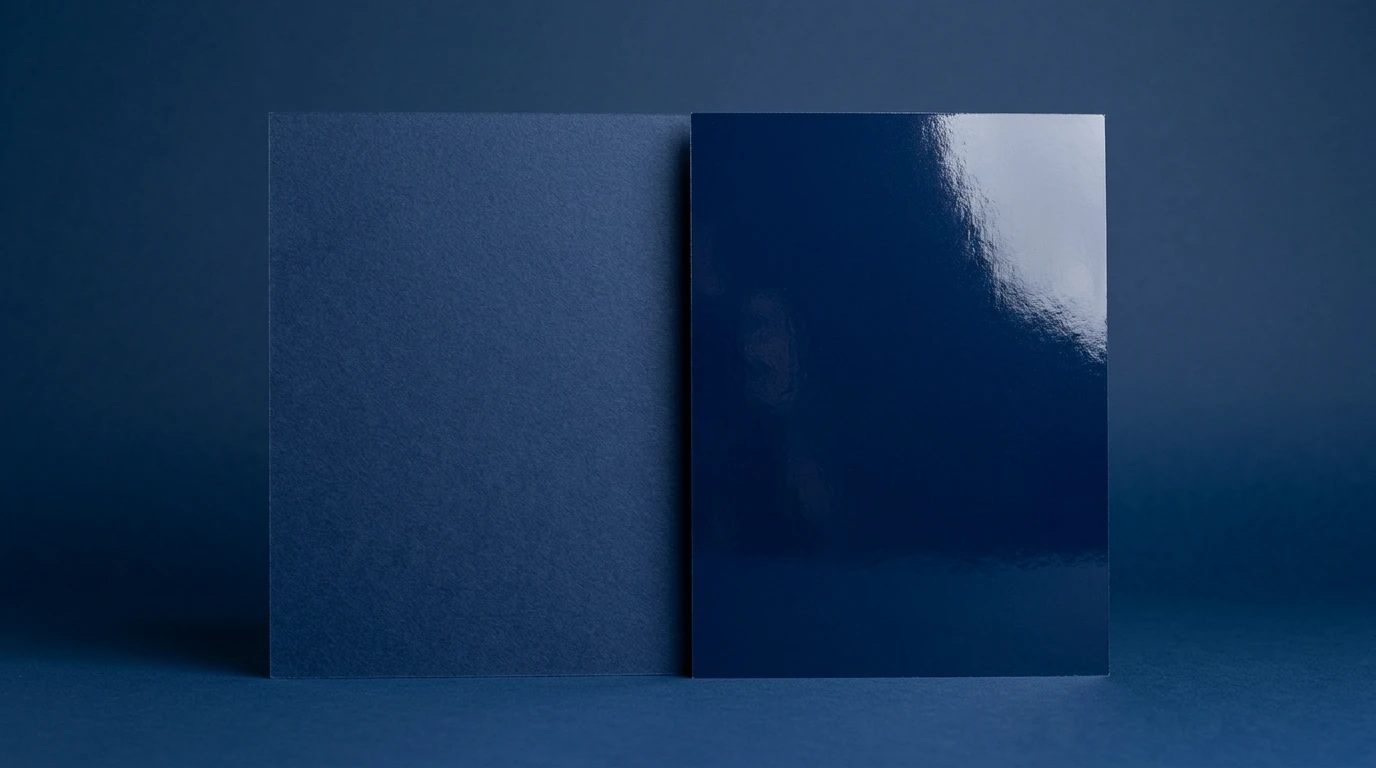
Matte and gloss lamination can make the same packaging design feel completely different. Matte lamination creates a softer, understated surface, while gloss lamination creates a brighter, shinier finish that can make colors look more vivid. The best choice depends on your brand style, product category, handling needs, photography, and budget.

Matte lamination adds a smooth, low-shine film over printed packaging. It reduces glare and gives the surface a more muted, refined appearance. Many beauty, skincare, fragrance, candle, and gift brands use matte lamination because it feels calm and premium.
Matte surfaces can make dark colors and simple typography look elegant, but they may show fingerprints or scuffs depending on the material and handling. If the packaging will be touched often, ask whether a scuff-resistant matte option is available.
Gloss lamination adds a shiny, reflective film over printed packaging. It can make colors appear more vivid and create a polished retail look. Gloss is often useful for bold graphics, food packaging, bright retail products, promotional packaging, and designs that need strong shelf impact.
Gloss can reflect light in product photography, so test how it looks under your expected lighting. It may also feel less subtle than matte, which can be good or bad depending on the brand.
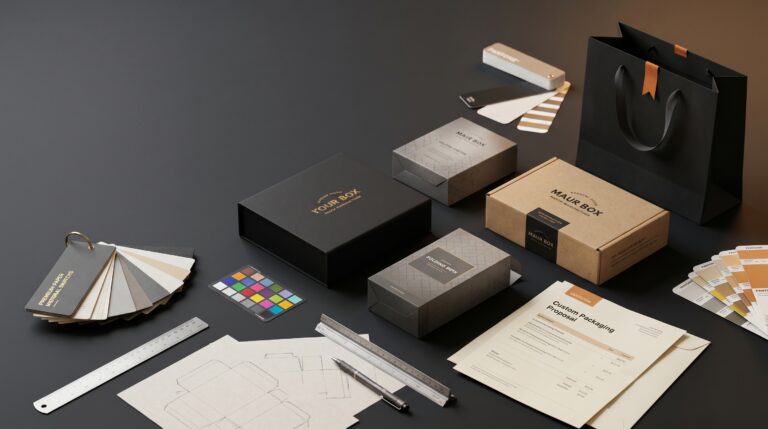
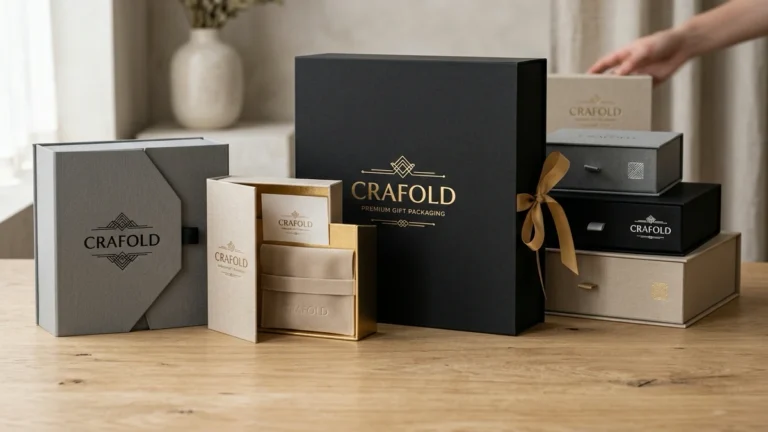
Choose matte if you want soft, premium, understated, natural, or modern packaging. Choose gloss if you want bright, energetic, clean, colorful, or high-visibility packaging. A black rigid box with matte lamination feels very different from the same box with gloss lamination.
For beauty and cosmetics packaging, matte is common for luxury skincare and fragrance, while gloss can work well for colorful makeup, promotional sets, and high-impact retail displays.
Both lamination types can add surface protection to printed packaging. They can help reduce minor abrasion and moisture exposure compared with unlaminated print, although they do not make paper packaging waterproof.
If the product will be handled frequently, shipped, or stacked, ask for samples. Check fingerprints, scratches, fold areas, and whether the finish changes the perceived color of the design.
Yes. Matte or gloss lamination can be combined with foil stamping, embossing, debossing, spot UV, and other finishes. A common premium approach is matte lamination plus spot UV or foil on the logo. A brighter retail approach may use gloss lamination with strong CMYK color.
For a broader overview of print effects, review Printing & Finishing.
Matte often feels more premium or understated, but premium depends on the total design, material, structure, and finish combination.
Gloss can make colors appear more vivid and reflective, especially under retail lighting.
Matte usually creates less glare, while gloss can create reflections. Test with your actual lighting and photography setup when possible.
Need help choosing finishes? Start with the Printing & Finishing guide or contact Crafold with your artwork and packaging goal.