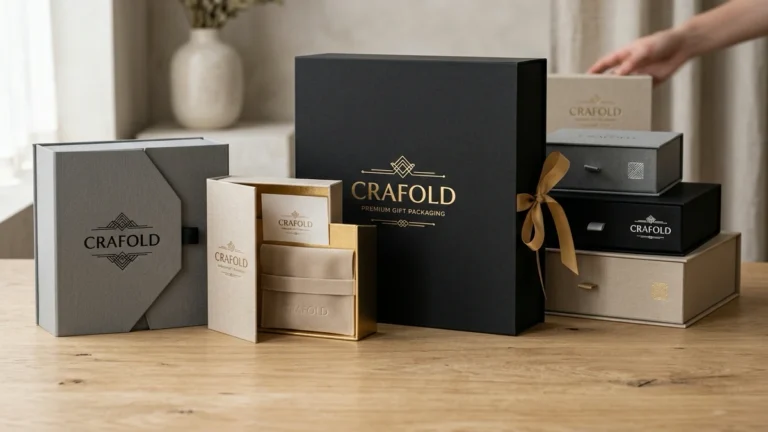



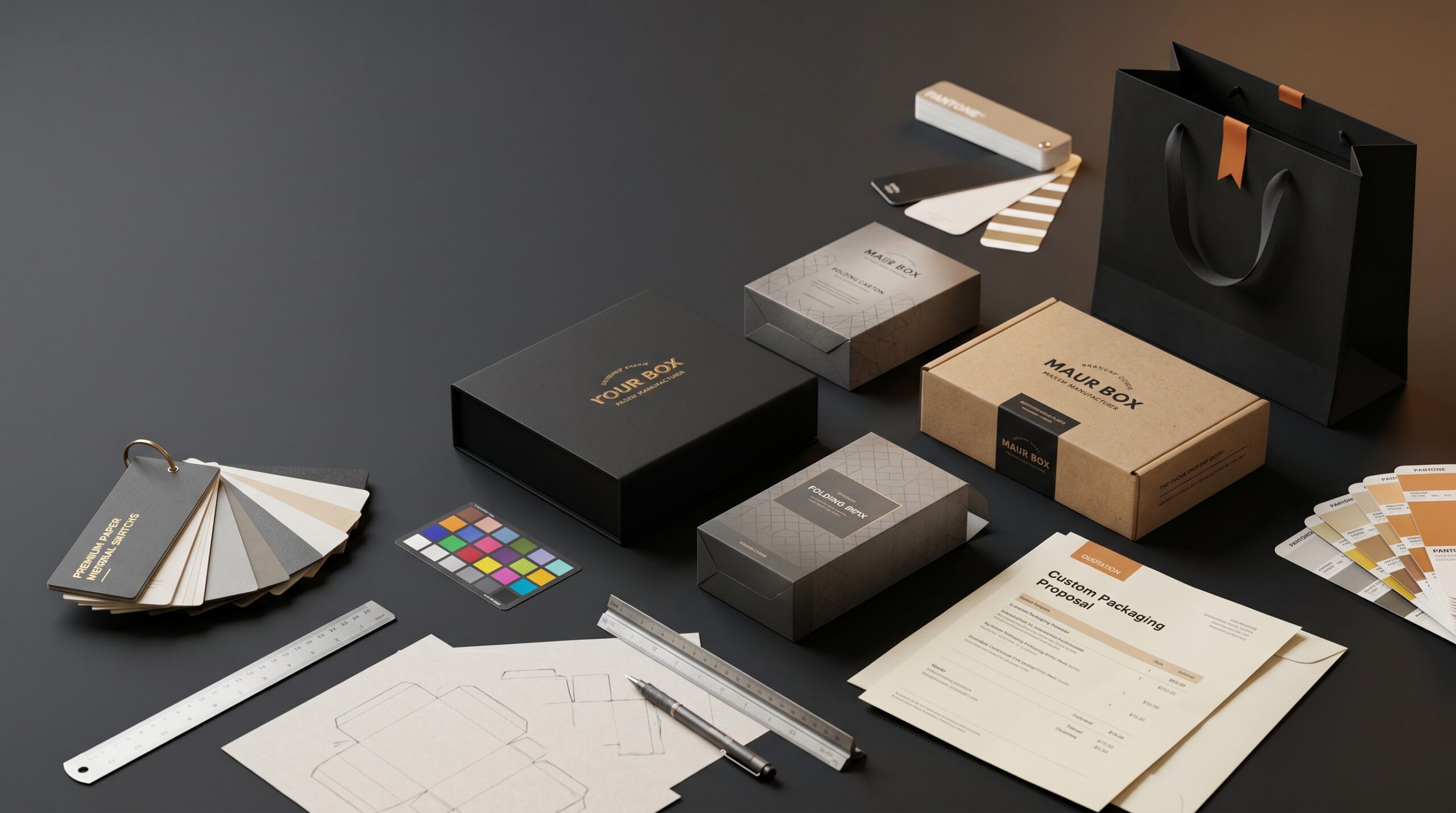
Custom packaging cost depends on material, size, structure, printing, finishing, order quantity, samples, and shipping. This guide explains the main pricing factors so businesses can plan packaging projects more clearly before requesting a quote.
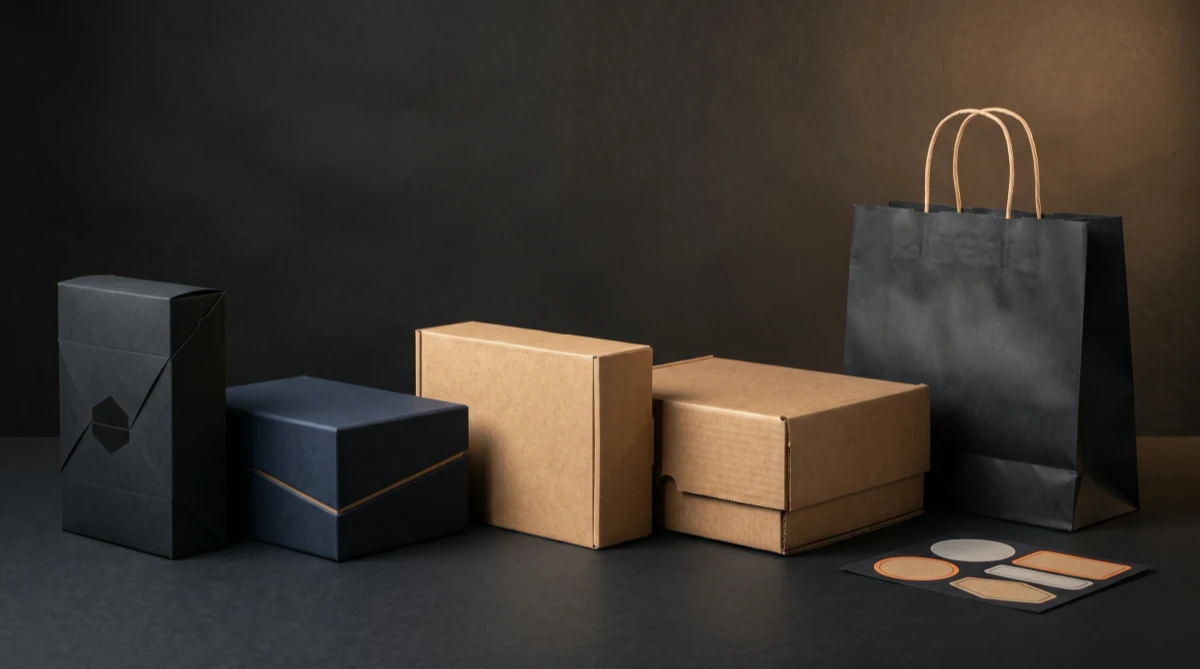
Custom packaging pricing is not based on one fixed number. A simple folding carton, a luxury rigid box, a kraft mailer box, a custom paper bag, and printed labels all have different cost structures.
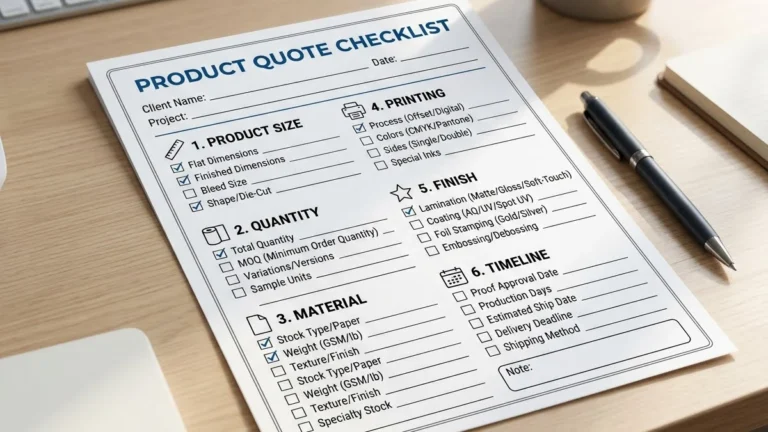
The most important pricing factors usually include packaging material, dimensions, structure, printing method, finishing options, order quantity, sample requirements, and shipping destination.
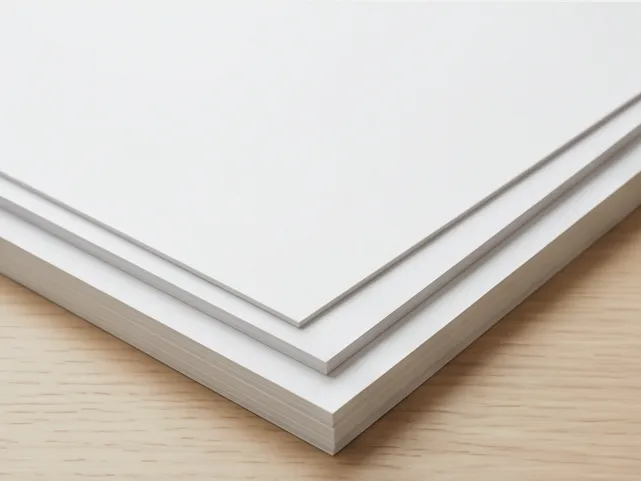
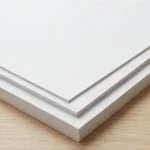
Material selection is one of the biggest factors in custom packaging cost. Kraft paper, coated paper, corrugated board, specialty paper, and label materials all have different price levels.
Kraft paper is often suitable for natural, sustainable, and e-commerce packaging. Coated paper is commonly used for beauty, cosmetics, retail, and premium printed packaging. Corrugated board is usually selected when products need stronger shipping protection.

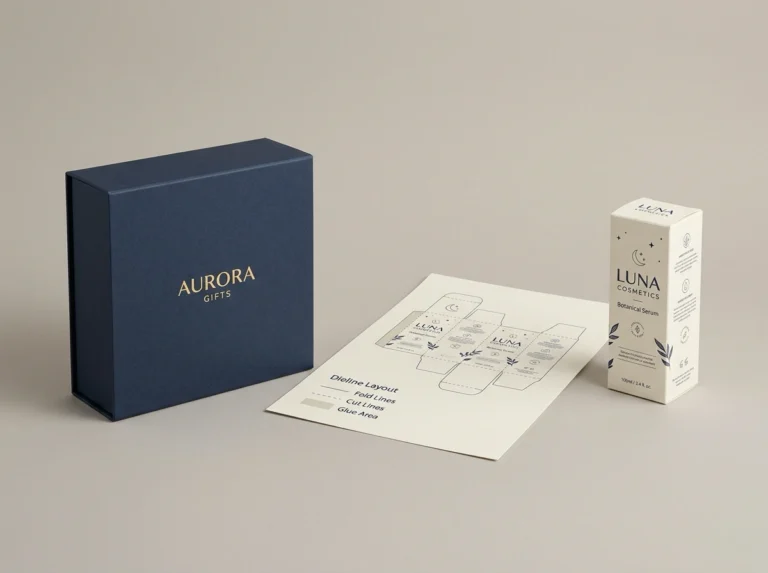
The more complex the packaging structure, the more it may affect production cost. Simple folding cartons are usually more cost-efficient, while rigid boxes often require thicker board, wrapping, and more production steps.
For e-commerce brands, mailer boxes and corrugated shipping boxes are popular because they combine presentation with product protection. For luxury products, rigid boxes may create a stronger unboxing experience but usually come with a higher cost.
Printing and finishing can greatly influence the final packaging budget. A simple one-color print is usually more affordable than full-color printing with heavy ink coverage and premium finishing effects.
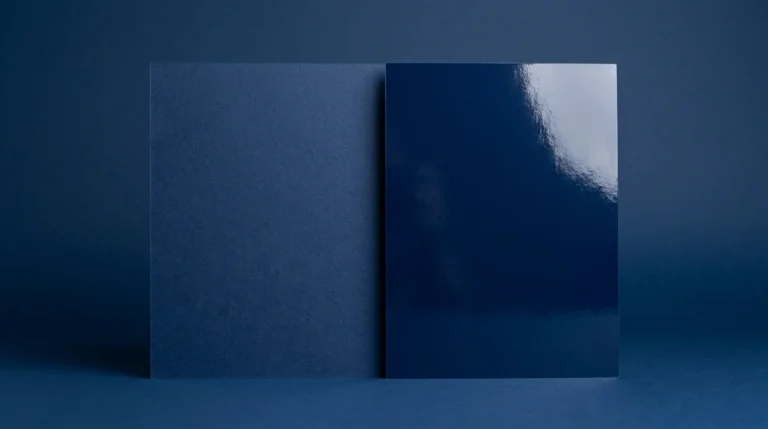
Common finishing options include matte lamination, gloss lamination, foil stamping, embossing, debossing, and spot UV. These details can improve perceived value, especially for cosmetics, gifts, and premium retail products.

Order quantity has a direct impact on unit cost. In many packaging projects, setup costs, machine preparation, printing plates, die-cutting tools, and production planning are spread across the total order quantity.
| Order Quantity | Typical Unit Cost Trend | Best For |
|---|---|---|
| Small Trial Order | Higher unit cost | Testing a new product or packaging idea |
| Medium Order | More balanced unit cost | Growing brands with stable demand |
| Larger Production Run | Lower unit cost | Established products and repeat orders |
If you are not sure what quantity to choose, it is better to discuss your sales plan and budget with your packaging supplier before confirming production.
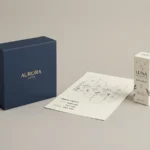
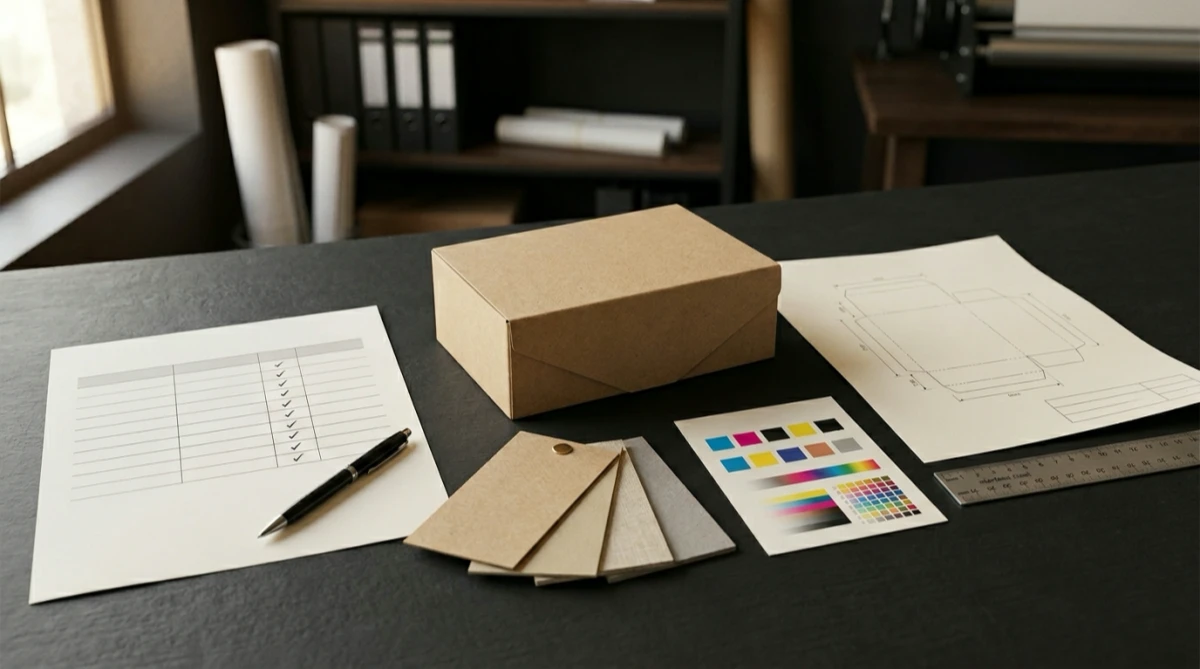
A packaging sample helps confirm size, structure, material, color, and finishing before mass production. Although sampling may add an upfront cost, it can prevent expensive production mistakes later.
Samples are especially useful for custom paper boxes, cosmetic packaging, food packaging, and any project where color accuracy or structure is important.
Shipping cost is often overlooked when businesses calculate custom packaging budgets. Packaging is usually lightweight, but large box dimensions can increase freight costs because logistics providers may calculate charges by dimensional weight.
Optimizing packaging size can reduce material waste, improve storage efficiency, and lower shipping costs.
You can reduce custom packaging costs without making the final packaging look cheap. The key is to choose the right structure, material, and finishing for your product positioning.
The cost depends on material, size, structure, printing, finishing, quantity, and shipping. A simple folding carton usually costs less than a luxury rigid box.
Setup and production preparation costs are spread across the total order quantity. Larger orders usually help reduce unit cost.
Yes. More colors, full-coverage printing, Pantone colors, and premium finishing can increase the final cost.
Yes, especially for custom structures, premium finishes, or brand-sensitive packaging. A sample helps confirm quality before full production.
If you need custom paper boxes, paper bags, or labels for your product, Crafold can help review your packaging requirements and provide a project-based quotation.