


Compare rigid boxes and folding cartons for custom paper packaging, including structure, cost, presentation, shipping, storage, and best use cases.
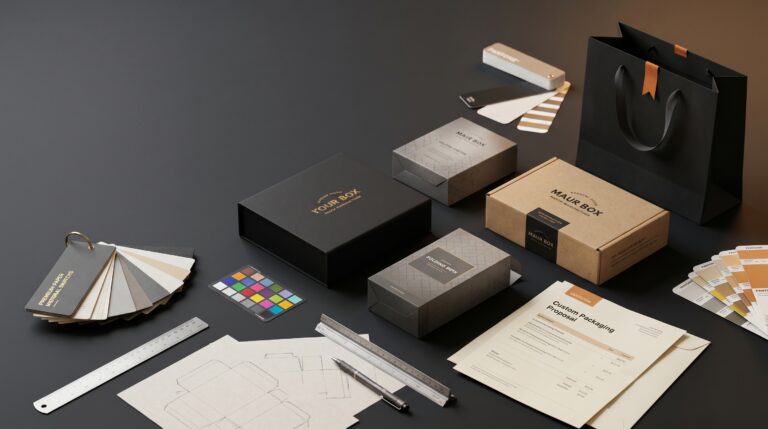
Rigid boxes and folding cartons are both popular custom paper box options, but they solve different packaging problems. Rigid boxes are thicker and more premium, while folding cartons are lighter, foldable, and usually more efficient for larger production runs. The right choice depends on product value, protection needs, retail presentation, budget, and storage space.

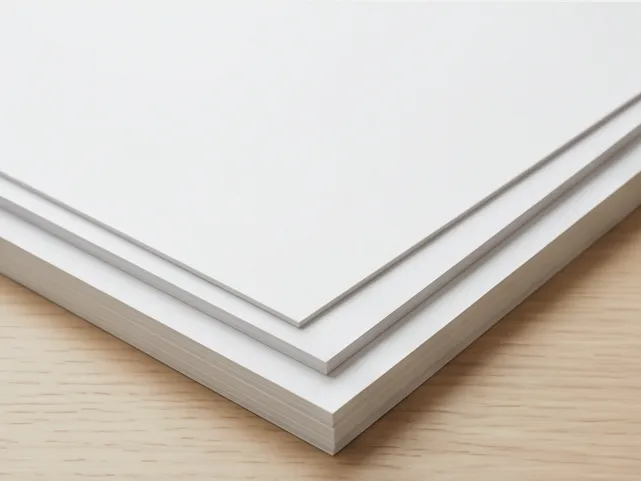
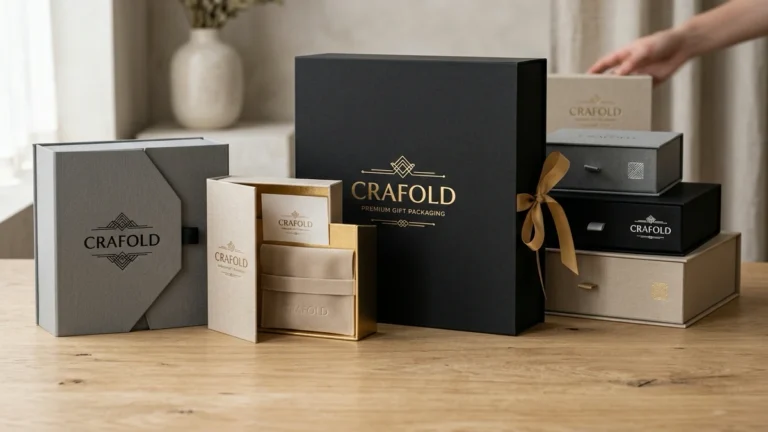
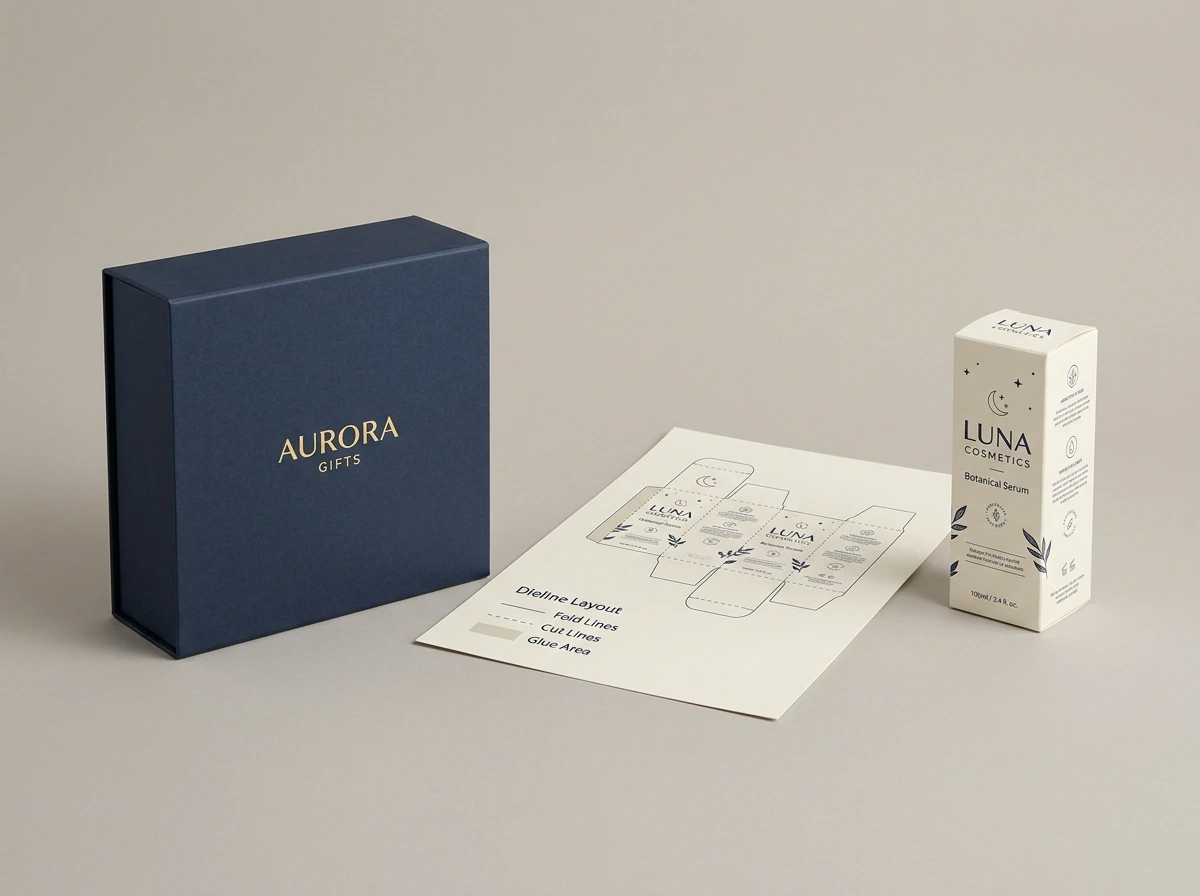
A rigid box is made from thick paperboard wrapped with printed or specialty paper. It does not usually collapse flat like a folding carton. This gives it a strong structure, a premium hand feel, and a more memorable opening experience.
Rigid boxes are commonly used for luxury gifts, candles, perfumes, electronics accessories, jewelry, skincare sets, and retail products where presentation matters as much as protection. They work especially well for beauty and cosmetics packaging and retail and gift packaging.
A folding carton is a paperboard box that is printed, cut, creased, glued, and shipped flat before assembly. It is lighter and more space-efficient than a rigid box. Common styles include tuck end boxes, straight tuck cartons, reverse tuck cartons, sleeves, and window cartons.
Folding cartons are widely used for skincare, cosmetics, food products, bakery items, supplements, small retail goods, and ecommerce inserts. They are a practical choice when you need branded packaging without the higher cost and storage impact of rigid boxes.
Rigid boxes usually require more material, more production steps, and more storage space. They can create a premium result, but they are rarely the cheapest option. Folding cartons are more efficient for many products because they are lighter, fold flat, and work well for larger quantities.
If you are launching a new product with uncertain demand, folding cartons can be a practical starting point. If your product already has strong positioning or needs a gift-level presentation, rigid boxes may justify the extra cost.
Rigid boxes feel stronger and create a more substantial unboxing experience. They are useful when the package itself needs to communicate quality. Folding cartons still protect many products well, especially when the product is lightweight and does not require heavy structural support.
For shipping, either option may still need an outer carton or mailer depending on the product and logistics method. For e-commerce packaging, test the full shipping setup, not only the inner retail box.
Generally yes. Rigid boxes use thicker board and hold their shape better, but final strength depends on material, size, structure, and how the product is shipped.
In many cases, yes. Folding cartons use less material, store flat, and are more efficient for many production runs.
Yes. Both can use custom printing and finishes such as matte lamination, gloss lamination, foil stamping, embossing, debossing, and spot UV.
If you are comparing box structures, start with Custom Paper Boxes or review more articles in Packaging Guides.