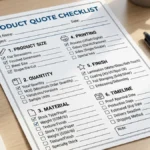



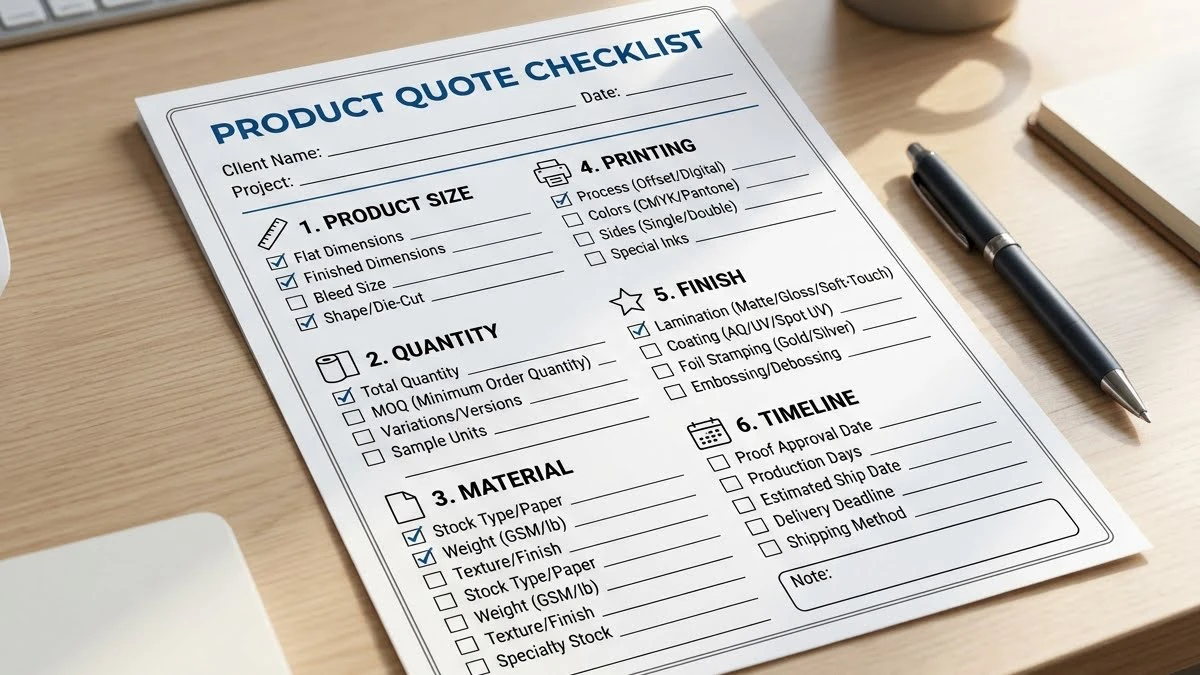
A practical checklist for preparing product details, packaging specs, artwork, quantity, timeline, and budget before requesting a custom packaging quote.
A good packaging quote starts before you contact a supplier. If you prepare the right product details, packaging preferences, artwork files, quantity, and delivery timeline, your supplier can recommend better options and quote faster. This guide explains what to collect before asking for a custom paper packaging quote.
Start with the product itself. Provide the product name, size, weight, number of pieces per package, and whether the item is fragile, liquid, soft, heavy, or sensitive to handling. These details help determine packaging size, structure, material strength, and insert needs.
For ecommerce products, also mention whether the packaging will ship directly to customers or sit inside an outer shipping carton. For retail products, explain whether the package will be displayed on shelf, hung, stacked, or handed to customers in store.
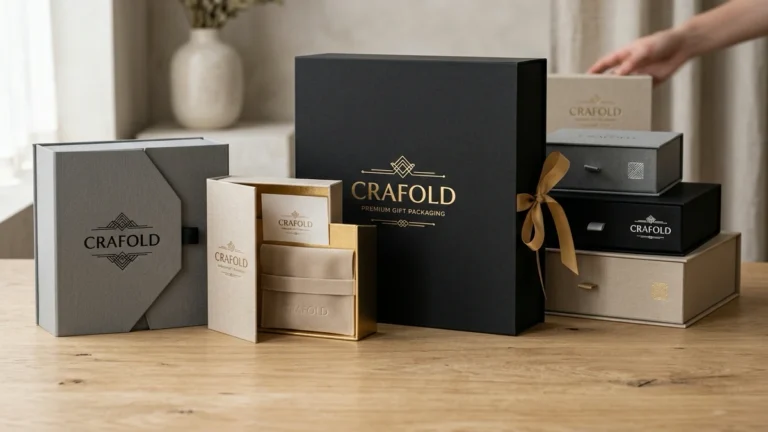
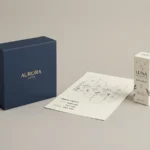
Tell the supplier whether you are looking for custom paper boxes, custom paper bags, custom labels and stickers, sleeves, inserts, or a full packaging set. If you do not know the exact structure, describe the goal: shipping protection, premium gift presentation, retail display, product information, or brand unboxing.
The same product can use different packaging depending on sales channel. A beauty product may need a folding carton for retail, a rigid box for gift sets, and a label for jars or bottles.
Share your estimated order quantity and whether this is a first launch, test order, or regular reorder. Quantity affects material use, printing setup, production planning, and unit price. A supplier can often suggest a practical option if they understand your launch stage.
You do not need to reveal an exact budget if you are not ready, but a target range helps. It lets the supplier choose between simpler paperboard, premium finishes, inserts, rigid boxes, or more economical structures.
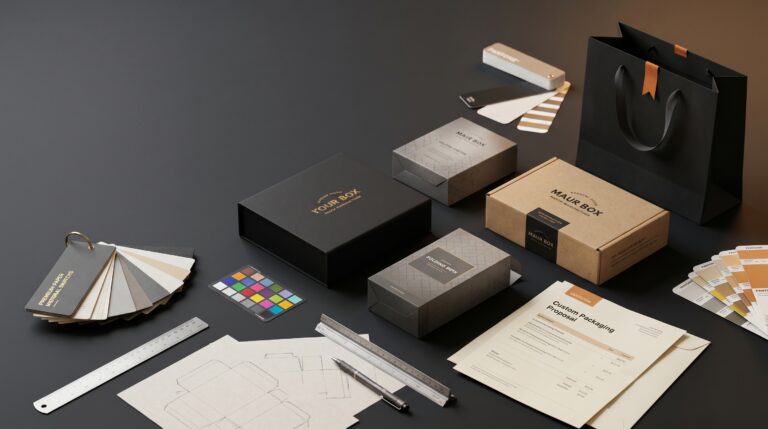
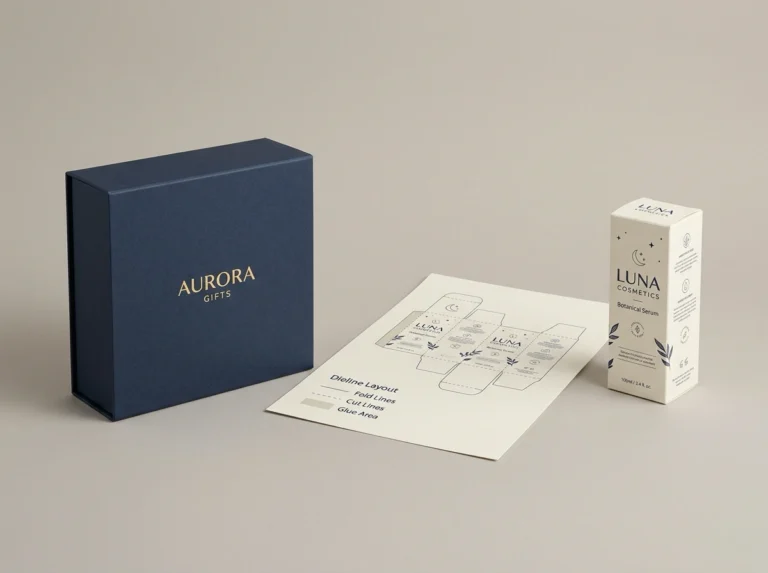
Prepare logo files, brand colors, fonts, dieline if available, and reference packaging images. Vector files are usually better for print than low-resolution screenshots. If you already have a design, send the artwork file and note whether it is final or only a concept.
If you need color accuracy, provide Pantone references or brand guidelines. If you are still exploring style, send examples of packaging you like and explain what should be similar or different.
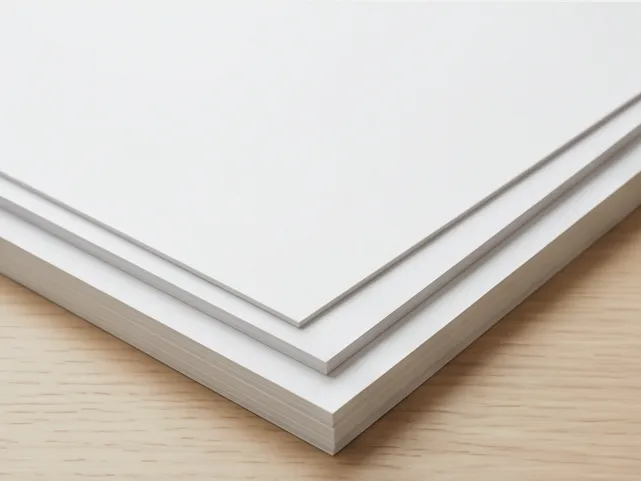
Mention preferred materials such as kraft paper, white cardboard, coated paper, corrugated board, or FSC-related paper options. If sustainability matters, review the Materials Guide and Sustainable Packaging hub before finalizing the request.
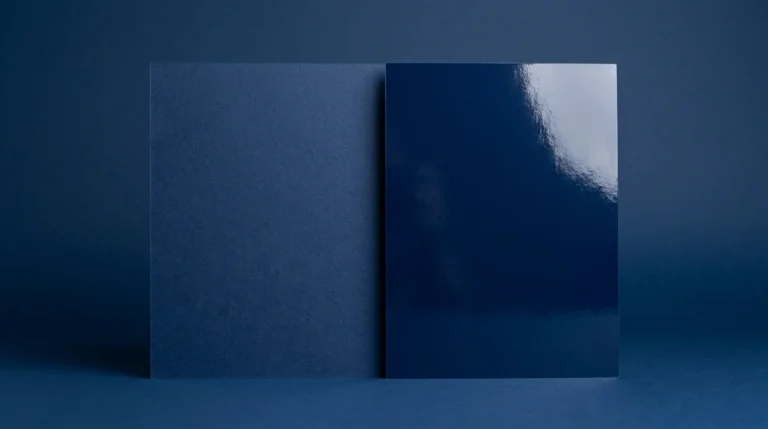
List any print and finish ideas: CMYK, Pantone, matte lamination, gloss lamination, foil stamping, embossing, debossing, spot UV, window patching, or varnish. For more detail, see Printing & Finishing.
Tell the supplier your sample deadline, production deadline, delivery country, and whether the order is urgent. Packaging projects include design confirmation, dieline proofing, sample approval, production, quality checking, and shipping. A clear timeline helps avoid unrealistic expectations.
If your product launch date is fixed, say so early. The supplier can advise whether to simplify the structure, reduce finishing complexity, or start with a smaller first run.
Yes. You can request an estimated quote with product size, packaging type, quantity, material direction, and reference images. Final pricing may change after artwork and dieline confirmation.
Describe the product and goal. A supplier can recommend structures such as folding cartons, rigid boxes, mailer boxes, paper bags, labels, inserts, or sleeves.
For premium, retail, or size-sensitive packaging, samples are recommended. They help confirm fit, material feel, print direction, and presentation before mass production.
Ready to prepare your request? Review the Buying Guide or contact Crafold with your product details, quantity, timeline, and reference images.