


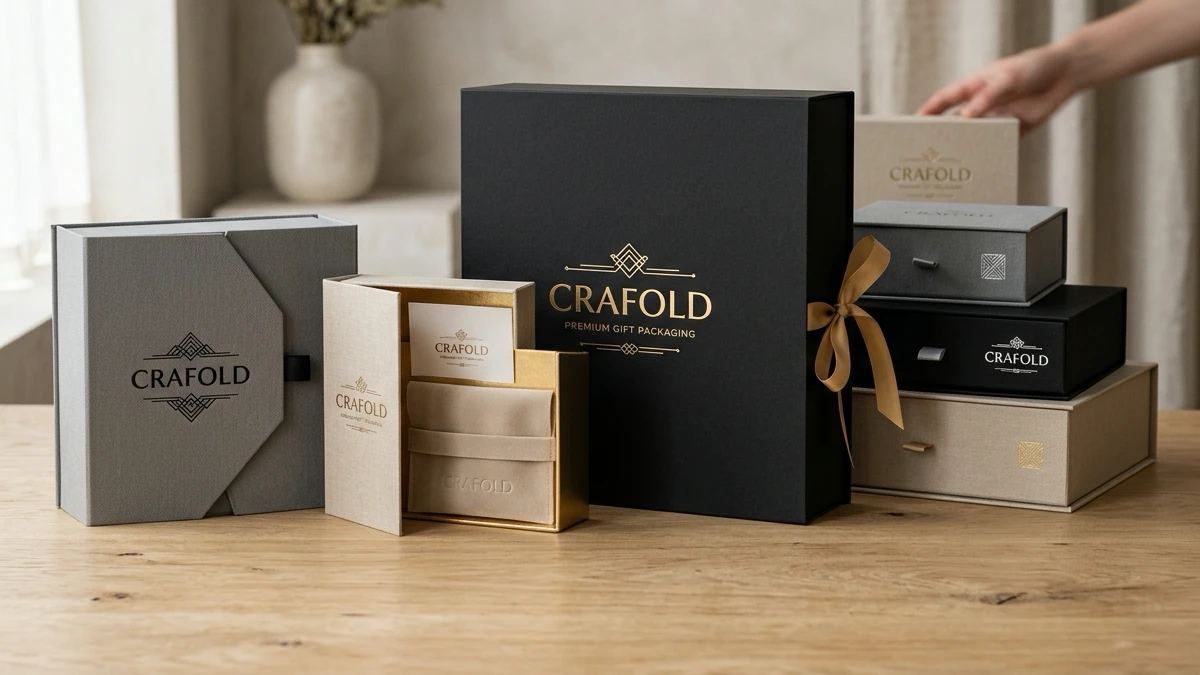
Learn how to choose custom packaging for your product, including packaging type, materials, printing, finishes, quantity, samples, and quote preparation.
Choosing custom packaging is not only about picking a box or bag. The right packaging should protect your product, fit your brand, support your sales channel, and make the buying process easier to manage. For most brands, the best starting point is to define the product size, shipping method, presentation goal, material preference, print requirements, order quantity, and budget range before requesting a quote.
This guide is for brand owners, ecommerce sellers, retailers, cosmetics brands, food and bakery businesses, and purchasing teams who need custom paper packaging but are not sure which structure or specification to choose first.
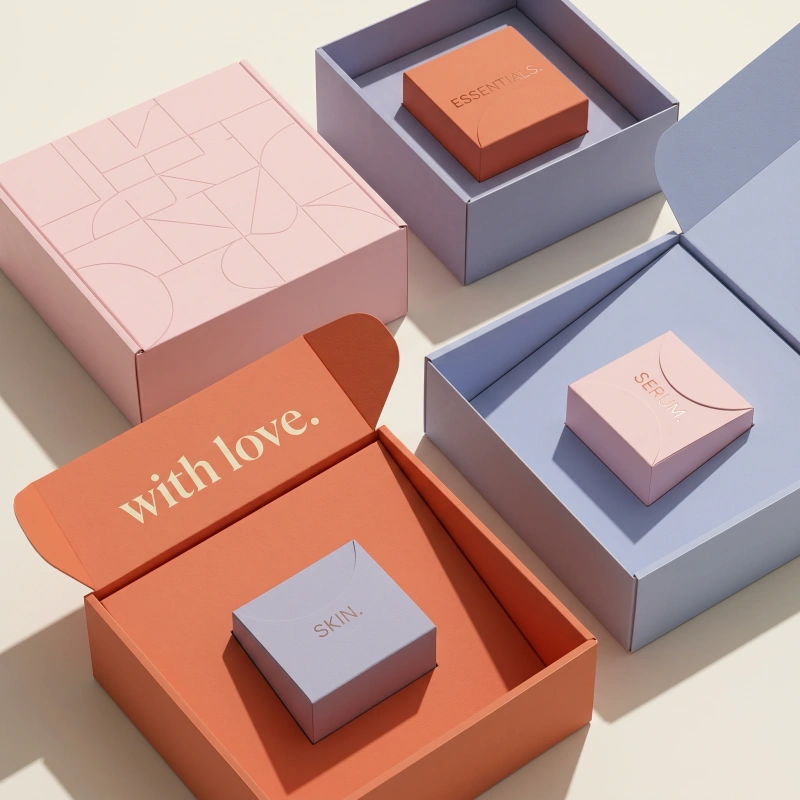


The first question is not “Which packaging looks best?” It is “What does this product need the packaging to do?” A lightweight skincare bottle, a candle jar, a bakery item, a folded shirt, and a fragile gift set all need different levels of protection, space, structure, and surface design.
Before choosing a packaging type, list the product’s basic details: product dimensions, product weight, number of units per package, fragility, storage conditions, and whether the package will be shipped, displayed in a store, handed to customers, or used as part of a gift experience.
If your product will be shipped, dimensional weight and outer carton size can affect shipping cost. For ecommerce packaging, a slightly more efficient size can reduce wasted space and make fulfillment easier.
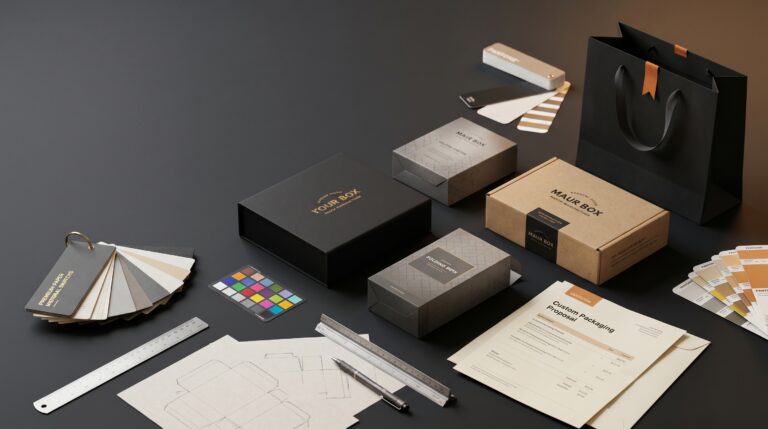
Once you understand the product, choose the packaging structure. Crafold’s main packaging types are custom paper boxes, custom paper bags, and custom labels and stickers. Each one solves a different packaging problem.
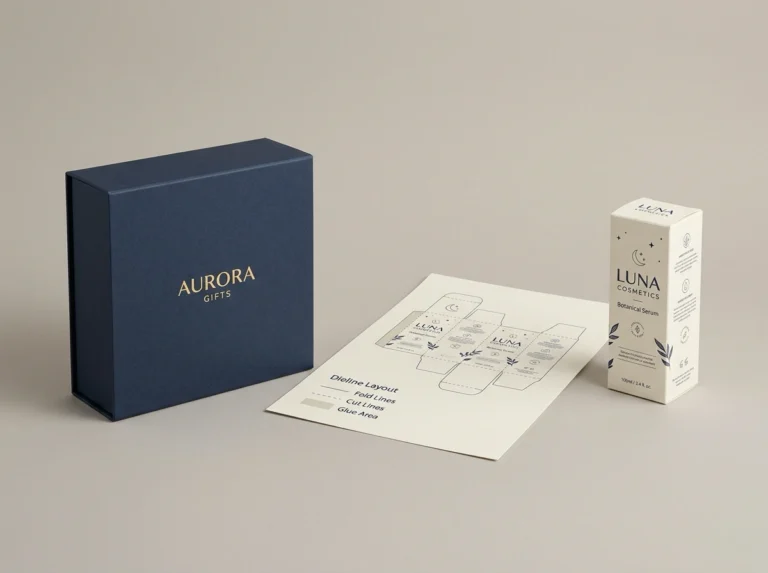
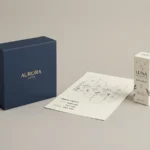
Choose custom paper boxes when your product needs structure, protection, shelf presence, or a more complete unboxing experience. Boxes work well for cosmetics, candles, skincare, gifts, ecommerce products, bakery items, accessories, and retail sets.
Choose custom paper bags when the packaging is mainly used for retail handoff, events, boutique shopping, takeout, trade shows, or gift presentation. Paper bags are useful when customers carry the product after purchase and the brand wants visibility beyond the store.
Choose custom labels and stickers when you need product information, branding, sealing, decoration, barcode placement, batch information, or flexible packaging support. Labels are often used together with boxes, bags, jars, bottles, pouches, and mailers.
Your sales channel changes what “good packaging” means. Packaging for ecommerce needs to survive shipping. Packaging for retail needs to attract attention on a shelf. Packaging for beauty products needs to feel polished and consistent with the brand. Packaging for food and bakery products needs to consider freshness, handling, and presentation.


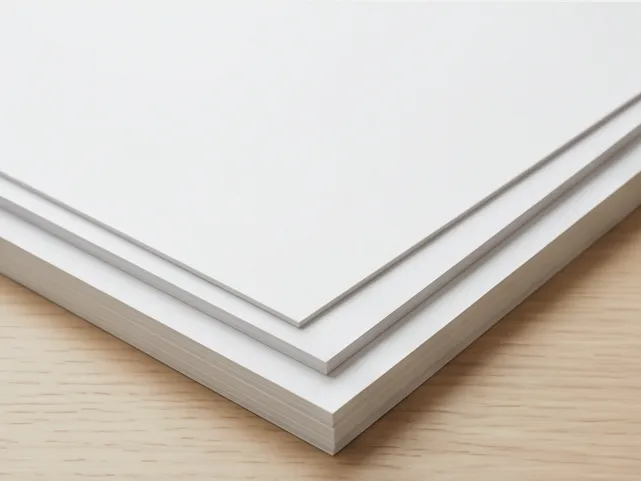
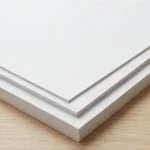
Material choice affects strength, cost, print result, texture, sustainability message, and customer perception. Common paper packaging materials include kraft paper, white cardboard, coated paper, corrugated board, specialty paper, and paperboard in different thicknesses.
For a natural or eco-conscious look, kraft paper is often a good starting point. For bright colors and clean product photography, white or coated paperboard may be better. For shipping or heavier products, corrugated board can provide more structure. For premium retail and gift packaging, thicker paperboard or rigid box materials may create a stronger presentation.
If sustainability matters to your brand, ask about recyclable paper options, responsible sourcing, and whether FSC-related material options are available for your project. You can also review the Materials Guide and Sustainable Packaging hub before finalizing specifications.
Printing and finishing should be planned before production, not added at the end. The same packaging structure can feel simple, premium, playful, natural, or luxury depending on color, surface treatment, and finishing details.
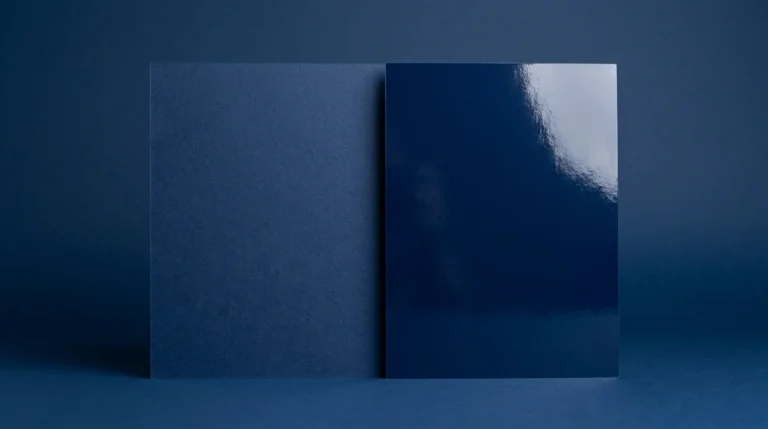
Common print and finish options include CMYK printing, Pantone color matching, matte lamination, gloss lamination, foil stamping, embossing, debossing, spot UV, varnish, window patching, and special coatings. Some finishes look better on certain materials, and some may affect production cost or lead time.
If your brand uses exact colors, prepare brand color values or Pantone references. If your packaging needs a premium feel, compare matte lamination, foil stamping, embossing, or spot UV. For more detail, see the Printing & Finishing guide.
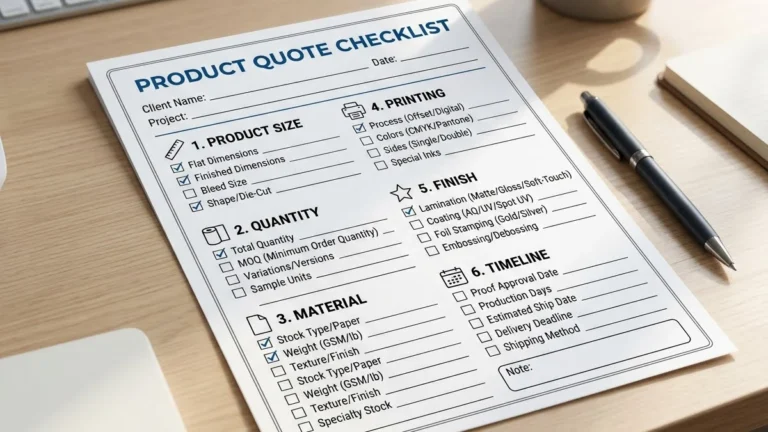
A clear packaging request helps suppliers quote faster and more accurately. If you only say “I need a custom box,” the supplier will need to ask many follow-up questions. If you prepare the basic information first, you can compare options more easily and avoid delays.
If you do not know the exact specification, that is normal. A good request can simply say what the product is, how it will be sold, and what kind of result you want. The supplier can then recommend suitable structures and materials.

Custom packaging price depends on structure, material, size, print coverage, finishing, quantity, tooling, and production complexity. In many projects, the unit price improves as quantity increases, but the best quantity depends on your launch plan, storage space, cash flow, and expected sales speed.
For a new product launch, it may be better to start with a practical specification and avoid too many premium finishes. For an established product, investing in better material, more accurate color, or stronger finishing may support brand value and repeat sales. The goal is not to choose the cheapest packaging, but to choose packaging that fits the product and business stage.
Samples help confirm size, structure, material feel, print direction, and overall presentation. For simple packaging, a digital proof or blank sample may be enough. For premium packaging, custom samples are often useful before mass production.
When reviewing a sample, check whether the product fits correctly, whether the packaging opens and closes smoothly, whether the material feels right, whether the print color is acceptable, and whether the overall look matches your brand positioning.
The best custom packaging for a new product is usually the simplest structure that protects the product, fits the sales channel, and supports the brand presentation. Start with product size, shipping needs, and budget before choosing advanced finishes.
Choose paper boxes when you need structure, protection, shelf display, or unboxing. Choose paper bags when the main purpose is retail carry, gift handoff, event packaging, or boutique presentation. Many brands use both together.
Prepare product size, packaging type, order quantity, material preference, printing requirements, finishing requirements, artwork files, delivery location, and timeline. Reference images are also helpful if you have a specific style in mind.
Yes. You can consider recyclable paper materials, right-sized packaging, reduced plastic components, responsible paper sourcing, and simpler finishes when appropriate. The right sustainable choice depends on the product, market, and packaging function.
A custom sample is recommended when size, structure, material feel, color accuracy, or premium presentation is important. For simpler projects, a blank sample or digital proof may be enough before production.
If you are planning custom packaging for a product, start by choosing the closest packaging direction: Custom Paper Boxes, Custom Paper Bags, or Custom Labels & Stickers. If you are still unsure, review the Packaging Guides hub or contact Crafold with your product details for a practical recommendation.